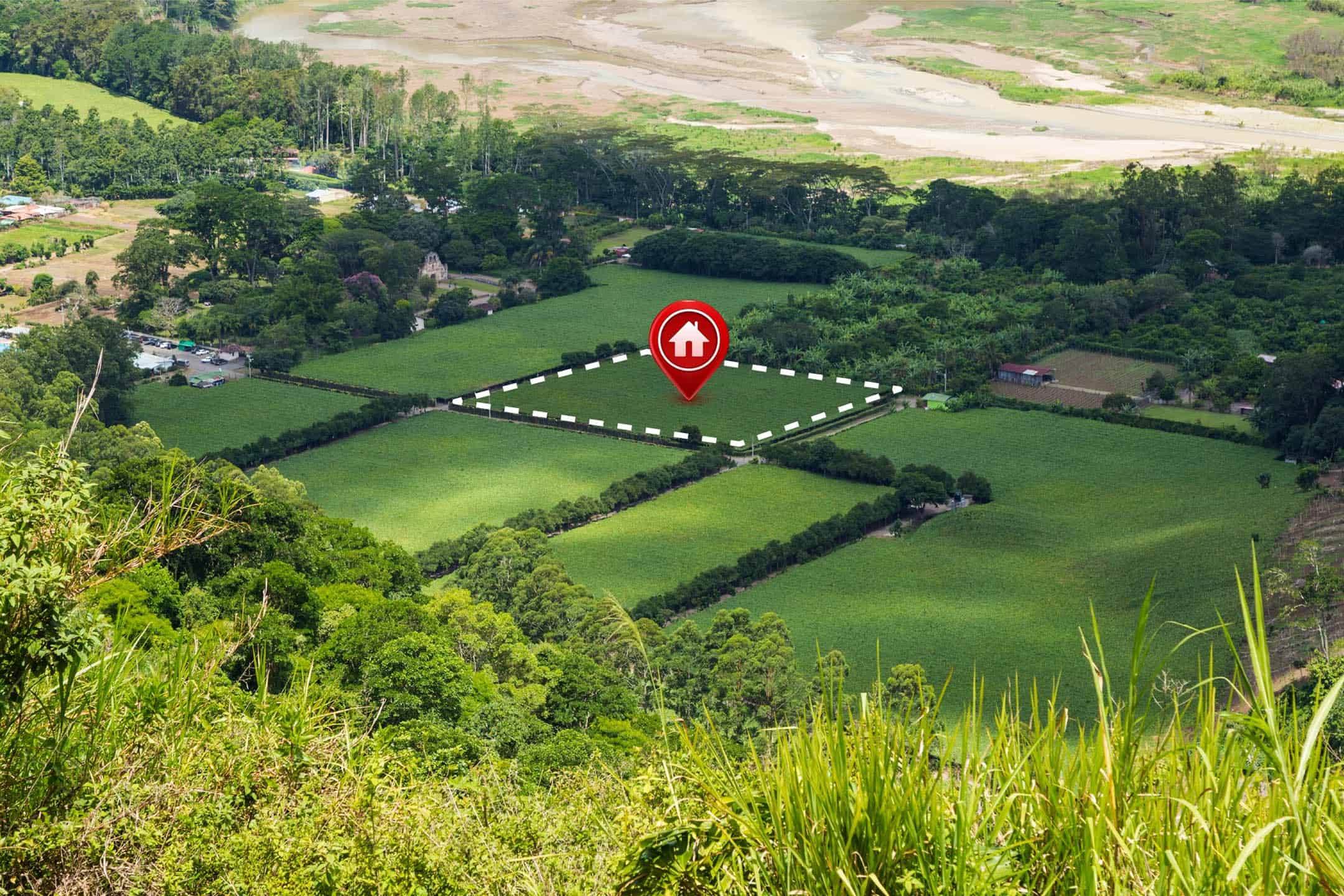
An overage agreement, also called a clawback agreement or uplift agreement, gives the seller of land or property the right to receive a further payment if a future event increases its value. The most common event is the grant or implementation of planning permission.
It allows a seller to complete a sale before development potential has been realised while retaining an agreed share of any later increase in land value. The terms of an overage agreement can affect when payment becomes due, how the amount is calculated and the role of an independent overage agreement valuation.
Why sellers use overage agreements
Land with development potential can be difficult to price. A site may have value in its current use as a garden, agricultural holding, storage yard or older building, yet this may increase considerably if planning permission is later granted for housing, commercial space or another form of development.
Rather than waiting for a planning application to be prepared and determined, a seller may agree to sell at a price reflecting the land’s current position while retaining a share of any future uplift. Planning permission is not guaranteed and the process can take time.
For example, if a buyer later secures consent for residential development, the agreement may require an additional payment to the original seller. Overage, clawback and uplift are commonly used terms for this type of arrangement, although the wording and calculation method can vary.
What triggers an overage payment?
The agreement must define the event that creates the obligation to make an overage payment. This is often known as the trigger event.
Common trigger events include:
- The grant of outline or detailed planning permission
- The implementation of planning permission, such as the lawful commencement of development works
- The sale of land with the benefit of planning permission
- A change of use or another consent that increases the value of the land
The wording matters. A payment triggered by the grant of planning permission may be due before the buyer has started work or generated income from the development.
A payment triggered by implementation may arise later, once development has commenced. This can affect the timing of the buyer’s financial exposure and the seller’s opportunity to receive payment.
The agreement may also specify whether a revised planning permission, a reserved matters approval or a sale to an associated company counts as a trigger. These details should be considered carefully before contracts are exchanged.
An overage agreement is a legal arrangement and should be prepared or reviewed by a solicitor. The role of an independent surveyor is different. A surveyor provides evidence on land value, development potential and the valuation basis set out in the agreement.
How is the overage payment calculated?
The calculation method should be set out clearly in the agreement. In many cases, the payment is based on the increase in land value following the trigger event.
A typical approach may involve:
- Establishing the land’s agreed base value
- Assessing its open market value after the trigger event
- Deducting costs that the agreement allows the buyer to claim
- Applying the agreed percentage to the remaining uplift
The allowable deductions can be significant. They may include planning costs, professional fees, infrastructure costs, abnormal development costs or finance costs. Whether a particular cost can be deducted will depend on the wording of the agreement.
The seller’s share of uplift is negotiated between the parties. It is often expressed as a percentage of the increase in value after agreed deductions. Figures in the region of 20 to 30 per cent are sometimes seen, but there is no standard rate and the appropriate percentage will depend on the site, planning position, risks and commercial terms.
Why the valuation date matters
The valuation should be carried out at the date and on the assumptions required by the agreement. This can make a material difference to the result.
An agreement may require a valuation on the date planning permission is granted for example. Another may require a valuation when the land is sold with the benefit of permission. Market conditions, comparable evidence, planning status and development costs may have changed between those dates.
This is one reason why disputes can arise. Both parties may agree that a trigger has occurred but disagree about the land’s value or the deductions that should be applied.
A clear valuation instruction and an appropriately experienced independent valuer can help provide a reasoned figure supported by market evidence and professional judgement.
How long does an overage agreement last?
The overage period is agreed between the parties. It may be shorter where planning potential is likely to be tested soon or longer where development is uncertain or expected to take place in stages.
Terms of 10 to 40 years are often used, although the period can be shorter or longer. Once it ends, the right to an overage payment will usually fall away unless the agreement states otherwise.
The length of the term can affect both parties. A longer period gives the seller more opportunity to benefit from future development potential but may limit the buyer’s flexibility when selling, refinancing or developing the land. The agreement should also confirm whether overage applies to the whole site, retained land, future phases or land acquired later.
How is overage secured against land?
An overage agreement needs to be secured properly if it is intended to affect future owners of the land. Without appropriate protection, an original buyer might sell the land and the seller could face difficulty enforcing the overage obligation against a later owner.
One common method is a restriction registered against the title at HM Land Registry. A restriction can prevent a transfer, lease or mortgage from being registered unless specified requirements have been met. Those requirements may include confirmation that the overage obligation has been satisfied or that the incoming owner has agreed to be bound by it.
Other legal mechanisms may be used depending on the circumstances. These can include a legal charge or a requirement for each new owner to enter into a deed of covenant.
The appropriate form of security is a matter for legal advice. Sellers and buyers should ask their solicitors to explain how the agreement will be protected and what will be required if the land is sold, mortgaged or developed in the future.
What should a seller consider before agreeing to overage?
Overage can protect a seller from losing all benefit of future development potential. It is not necessarily a substitute for achieving the highest possible upfront price.
Before agreeing to overage, a seller may wish to consider:
- Whether the sale price fairly reflects the land’s current use and planning position
- The trigger event and whether it occurs on planning permission, implementation or a later sale
- The duration of the overage period
- The percentage of uplift payable
- The deductions that may be claimed by the buyer
- How any valuation dispute will be dealt with
- How the agreement will be secured against the title
- The potential effect on retained land or future development proposals
An initial land valuation can help a seller understand the site’s current market position and the factors likely to influence its value if planning consent is obtained. For more background, see how is land valued.
What buyers need to check
Anyone buying land or property with development potential should check whether the title is subject to an existing overage obligation.
A restriction, notice or reference in the transfer documents may indicate further obligations. Depending on the agreement, payment could become due if planning permission is granted, the land is developed or it is sold at a higher value.
Overage can affect planning, funding and future sale negotiations. Legal advice should be obtained before purchase and early valuation advice may help where payment is linked to a future valuation.
Why an independent valuation matters
An overage payment is often linked directly to an open market valuation at the trigger point. The difference between two valuation conclusions can have a substantial financial effect on both parties.
- The valuation may need to consider:
- The planning permission obtained
- The site’s physical characteristics
- Access
- Services
- Development density
- Market demand
- Comparable land transactions
- Any assumptions specified by the agreement
Development costs and abnormal costs may also be relevant where the calculation permits deductions.
An independent valuation provides a clear basis for discussion. It should set out the valuation date, purpose, assumptions, limitations and reasoning behind the opinion reached.
Brian Gale Surveyors provides independent land and commercial valuation advice across Surrey, Sussex, Kent, Hampshire, London and the wider South East. The practice is based in Reigate and is independent of estate agents and other third parties.
View our commercial and land valuation services to learn more.
Frequently asked questions
- What is the difference between overage, clawback and uplift?
Overage, clawback and uplift are commonly used interchangeably in UK property transactions. Each describes an arrangement under which a seller may receive an additional payment if a specified future event increases the value of the land or property.
The exact legal terms may differ, so the agreement should always be reviewed in full.
- How much is a typical overage payment?
There is no fixed rate. The seller’s share is commonly negotiated as a percentage of the increase in value after deducting the agreed base value and permitted costs.
Percentages in the region of 20 to 30 per cent may be used, but the figure depends on the land, planning potential, commercial negotiations and the wording of the agreement.
- How long does an overage agreement last?
The length of an overage agreement is agreed between the parties. Terms of 10 to 40 years are commonly encountered, although the period can be shorter or longer.
Once the agreed period has expired, the overage obligation will usually no longer apply.
- Does an overage obligation transfer if the land is sold again?
It can do, provided it has been secured correctly. This may involve a restriction registered against the title and a requirement for a future buyer to enter into a deed of covenant.
The legal effect will depend on the agreement and how it has been protected. A solicitor should advise on the specific title and transaction.
Independent land valuation advice
Overage arrangements can involve long term obligations and significant changes in land value. Clear legal drafting is essential, but so is an independent and well reasoned valuation when an agreement is being considered or a trigger event occurs.
To discuss the valuation side of an overage arrangement, get a quote for an independent land valuation.