Reinstatement Cost Assessment (Fire Insurance Valuation)in Surrey
Reinstatement Cost Assessment (Fire Insurance Valuation) in Surrey
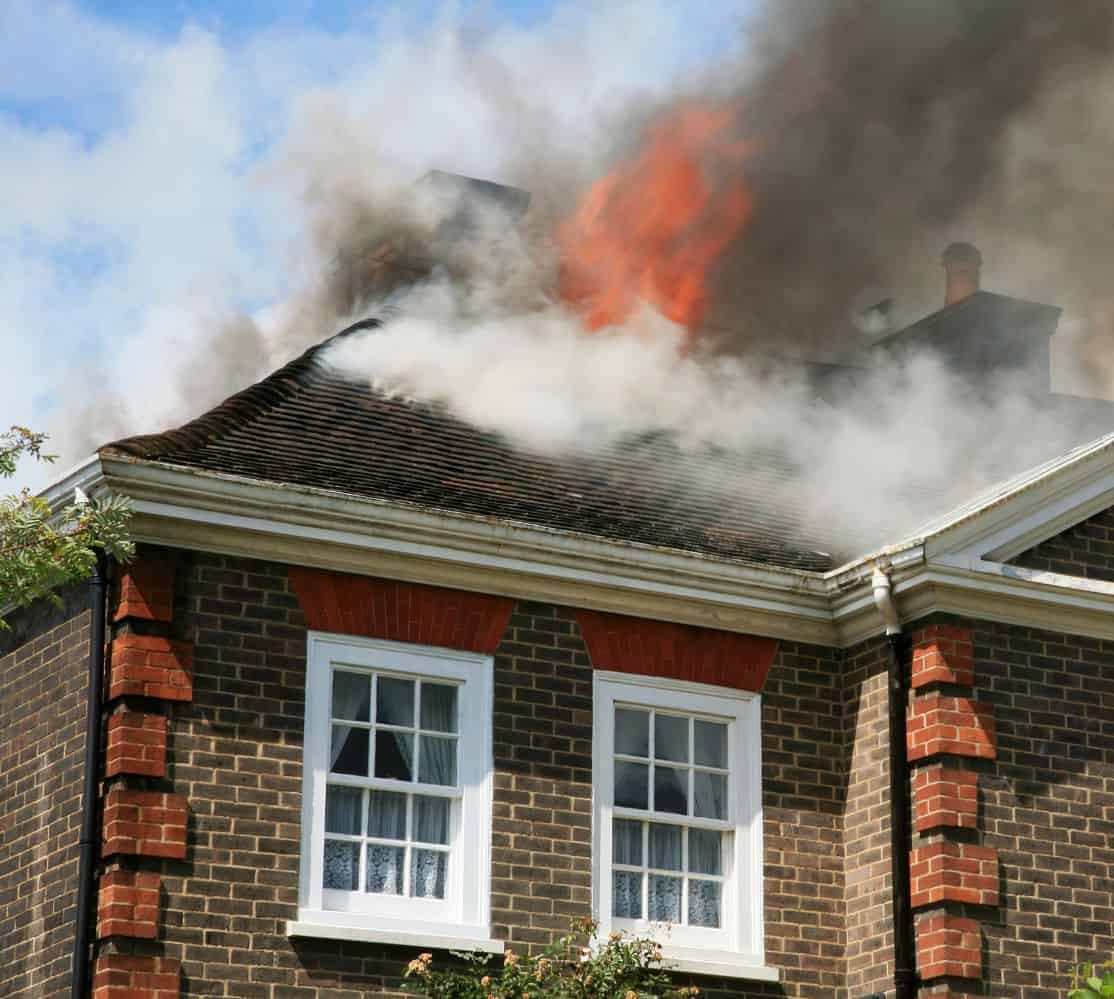
A Reinstatement Cost Assessment, also known as a fire insurance valuation, calculates the full cost of rebuilding your property from scratch in the event of total loss. This figure is different from your property’s market value and is the amount your buildings insurance sum insured should be based on.
If the figure is too high, you may pay more premium than necessary. If it is too low, a claim can be reduced under the Average Clause. An accurate Reinstatement Cost Assessment in Surrey protects you from both risks.
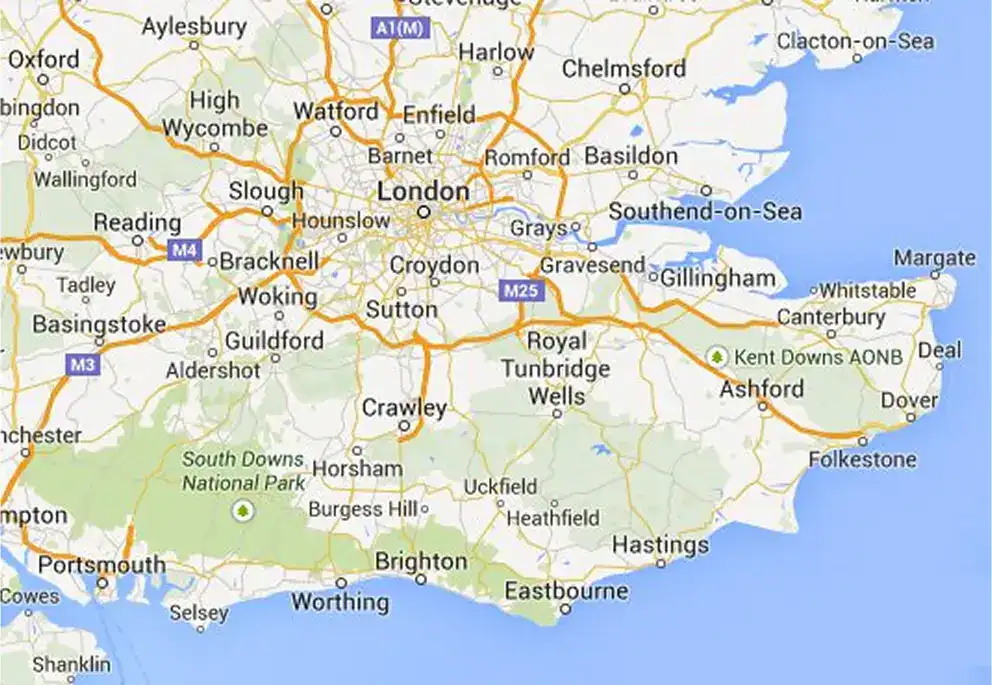
Brian Gale Surveyors provides RICS-compliant Reinstatement Cost Assessments across Surrey, Sussex, London and the Home Counties for homeowners, landlords, managing agents and freeholders.
What is a Reinstatement Cost Assessment?
A Reinstatement Cost Assessment, often abbreviated to RCA, is a professional calculation of the cost to demolish and rebuild a property at current construction prices.
It includes not only the cost of reconstructing the structure, but also associated expenses such as demolition, debris removal and professional fees. The final figure is used to set the buildings insurance sum insured.
The term fire insurance valuation is still widely used, and many insurers and brokers continue to refer to it in this way. In professional practice, however, Reinstatement Cost Assessment is the recognised RICS terminology.
Reinstatement value vs market value
Reinstatement value and market value are calculated differently and are rarely the same figure.
Market value reflects what a buyer would pay for the property as it stands, including the land, location and current demand.
Reinstatement value reflects the cost of demolishing and rebuilding the structure from scratch at today’s construction prices, including professional and statutory fees. It does not reflect land value.
In many parts of Surrey, particularly where land values are high, market value can significantly exceed rebuild cost.
In other cases, especially with larger or more complex buildings, the reinstatement cost per square metre can be higher than owners expect because it reflects current labour and material costs rather than second-hand sale prices.
Confusing these figures can lead to serious underinsurance or unnecessary overinsurance.

What’s included in a Reinstatement Cost Assessment
A professionally prepared Reinstatement Cost Assessment involves more than a desktop estimate.
The process typically includes:
- A measured survey to calculate the gross external floor area
- Inspection of construction type, materials and site characteristics
- Assessment of permanent outbuildings and external structures
- A desktop study using current Building Cost Information Service data
- Calculation of demolition and debris removal costs
- Inclusion of professional fees and statutory costs such as planning and Building Regulation fees
The result is a clearly stated reinstatement figure suitable for insurance purposes.
For certain modern, standard properties, insurers may accept desktop assessments. However, for larger, older or non-standard buildings, a site-based inspection provides greater accuracy and defensibility.

The Average Clause, also known as the Condition of Average
Most UK buildings insurance policies include what is known as the Average Clause or Condition of Average.
This means that if your sum insured is lower than the true reinstatement cost, any claim payout can be reduced proportionally.
For example, if your property should be insured for £500,000 but is only insured for £350,000, you are effectively insured for 70 percent of the required amount. If you then make a claim for £100,000, the insurer may only pay £70,000, even though the loss is less than the total sum insured.
The shortfall is applied proportionally, not simply capped at the insured amount. This is why an up-to-date Reinstatement Cost Assessment in Surrey is so important.

How often should you review your reinstatement cost?
RICS recommends a full Reinstatement Cost Assessment every three years, with desktop updates in the intervening years to reflect construction cost inflation.
Rebuilding costs across the UK have risen significantly since 2020 due to material price increases and labour shortages. A valuation carried out several years ago may now be materially out of date, even if no changes have been made to the property.
You should also consider a new assessment if:
- You have extended or altered the property
- The use of the building has changed
- Your insurer or broker requests updated evidence
Regular review reduces the risk of disputes in the event of a claim.
Flats, leasehold properties and management companies
For blocks of flats and converted buildings, the reinstatement cost should normally cover the entire structure, not just an individual unit.
Responsibility for arranging a Reinstatement Cost Assessment usually falls to the freeholder, landlord or management company, rather than individual leaseholders. Managing agents often commission RCAs to ensure the block is insured for the correct sum on behalf of all leaseholders.
The assessment will consider:
- The whole building structure
- Common parts such as stairwells and corridors
- External areas and permanent outbuildings
Clear documentation of the reinstatement figure helps management companies demonstrate that reasonable steps have been taken to insure the building correctly.

Listed and period buildings
Surrey contains a significant number of listed and period properties, many of which require specialist consideration when assessing reinstatement cost.
Older buildings often involve:
- Traditional materials and construction techniques
- Specialist craftsmen
- Higher professional fees
- Greater regulatory involvement
Since October 2012, approved alterations to listed buildings are no longer zero-rated for VAT. In most cases, 20 percent VAT applies to reinstatement works, which can materially affect the rebuild cost.
Experience with historic and period properties ensures that these factors are reflected accurately in the final figure.
Where a property forms part of an estate following bereavement, related probate valuations may also be required for Inheritance Tax purposes.

Desktop assessment vs site inspection
Some insurers offer automated or index-linked figures based purely on postcode and floor area data. While these may provide a broad estimate, they do not account for specific construction details, site constraints or unique features.
A site-based Reinstatement Cost Assessment allows for:
- Verification of measurements
- Identification of non-standard construction
- Assessment of access and demolition considerations
- More accurate inclusion of professional fees
For higher value homes, listed buildings or blocks of flats, a full inspection provides greater confidence in the resulting sum insured.
Cost of a Reinstatement Cost Assessment
The fee for a Reinstatement Cost Assessment in Surrey depends on property type, size and complexity.
A detached period house, a modern flat or a block of converted apartments will each require a different level of input. Managing agents instructing for larger buildings can request tailored proposals reflecting the scale of the block.
With Brian Gale Surveyors, a clear quotation is provided before instruction so that the scope and cost are understood from the outset. To discuss your property and receive a tailored proposal, please get a quote.

Arrange a Fire Insurance Valuation
in Surrey & Sussex
Ensuring that your building is insured for the correct reinstatement figure protects you from unnecessary cost and avoidable financial risk.
For advice on Reinstatement Cost Assessments, fire insurance valuations or any of our valuation services, follow the link to get a quote.
Specialist Property Valuations
Alongside market valuations, we provide a number of specialist valuation reports prepared in line with professional standards and suitable for legal, financial and personal matters.
Help to buy Valuations
Leasehold Valuations
Matrimonial valuations
Probate valuations
Areas We Cover
Frequently asked questions
What is a Reinstatement Cost Assessment?
A Reinstatement Cost Assessment, also called a fire insurance valuation, calculates the full cost of rebuilding a property from scratch, including demolition, debris removal and professional and statutory fees. This figure is used to set your buildings insurance sum insured.
What is the difference between reinstatement value and market value?
Market value reflects what a buyer would pay for the property as it stands, including the land. Reinstatement value reflects the cost of demolishing and rebuilding the structure at current construction prices, and the two figures are rarely the same.
How often should I get a Reinstatement Cost Assessment?
RICS recommends a full reassessment every three years, with desktop updates in the interim years to account for construction cost inflation. Many insurers request evidence of a recent assessment to reduce the risk of underinsurance.
What is the Average Clause?
The Average Clause, also called the Condition of Average, is a standard term in most buildings insurance policies. If your sum insured is lower than the true reinstatement cost, any claim payout can be reduced proportionally to reflect the shortfall.