Matrimonial Valuations for Divorce in Surrey& the South East
We act jointly for both parties or individually for either side. Our reports comply with Part 35 of the Civil Procedure Rules 1998 and meet the standards expected by family solicitors and the courts.

What is a matrimonial valuation?
A matrimonial valuation, sometimes referred to as a divorce property valuation, is an independent assessment of a property’s Market Value for the purpose of financial settlement during divorce or separation.
The valuation is evidence-based and prepared in accordance with the RICS Valuation Global Standards, commonly known as the Red Book. It is not an informal opinion or estate agent appraisal. It is a formal report intended to be relied upon in negotiations and, if necessary, in court.
Matrimonial valuations in Surrey typically relate to:
– The former matrimonial home
– Buy-to-let or investment properties
– Second homes
– Commercial property held by one or both parties
The objective is clarity. When both parties are working from the same independent figure, discussions can progress on a more stable footing.
How an independent valuation can help avoid court
Disagreement about property value is one of the most common sources of dispute in financial settlement negotiations.
If one party relies on an estate agent’s optimistic marketing figure and the other relies on a lower informal opinion, positions can quickly harden. An independent matrimonial valuation removes that uncertainty.
Where both parties agree to instruct a Single Joint Expert, there is one report and one professional opinion. This often allows solicitors to focus on resolving the wider financial arrangements rather than debating competing valuations.
While every case is different, an agreed, Red Book compliant valuation can reduce the likelihood of court proceedings, saving time, legal costs and additional stress.

RICS Red Book compliance and why it matters
All matrimonial valuations are prepared in accordance with the RICS Valuation Global Standards, the Red Book.
For family solicitors and the courts, this is not a formality. Red Book compliance ensures that:
- The valuation follows a recognised professional methodology
- Comparable market evidence is properly analysed
- The report is independent and unbiased
- The valuer is subject to professional regulation and standards
Reports prepared for matrimonial purposes can also be structured to comply with Part 35 of the Civil Procedure Rules 1998, which governs expert evidence in court proceedings.
For individuals, this provides reassurance that the valuation is robust and capable of standing up to scrutiny if required.
Joint instruction or single party: what’s the difference?
There are two common ways to instruct a matrimonial valuation.
Single Joint Expert
A Single Joint Expert, often referred to as an SJE, is instructed jointly by both parties or by their respective solicitors. One report is produced and relied upon by both sides.
This approach is frequently encouraged by the courts and is often the most efficient route. It promotes transparency and reduces duplication of cost.
Single party instruction
In some cases, a joint instruction is not agreed. We can also act for one party individually, providing an independent matrimonial property valuation for their own advice and negotiation.
The most appropriate approach will depend on the stage of proceedings and the advice of your solicitor. This can be discussed at the outset so that the instruction reflects your circumstances.

What the valuation process involves
Clarity about the process helps reduce uncertainty at an already demanding time.
Step 1: Instruction
Instruction is received either jointly from both parties or via their solicitors, or from one party individually.
Step 2: Inspection
A full internal and external inspection of the property is carried out by a RICS Registered Valuer. Access arrangements are handled sensitively and professionally.
Step 3: Market research
Comparable sales evidence is gathered and analysed. Local market conditions in Surrey and surrounding areas are carefully considered.
Step 4: Report preparation
A Red Book compliant report is prepared, setting out the Market Value and the reasoning behind it. Where required, the report can be formatted to comply with Part 35 of the Civil Procedure Rules.
Step 5: Delivery
The report is issued within an agreed timeframe so that financial discussions can proceed without unnecessary delay.
If clarification is needed, solicitors can raise written questions in accordance with the relevant procedural rules.

Market Value vs what the property means to you
During divorce, property often carries strong personal significance. It may be the family home, a long-term investment or a business asset built over many years.
A matrimonial valuation reflects Market Value as defined by RICS: the estimated amount for which the property should exchange on the valuation date between a willing buyer and a willing seller in an arm’s length transaction, after proper marketing and where both parties act knowledgeably and without compulsion.
It does not reflect sentimental value or the personal importance the property may hold for either party.
Separating these concepts can be difficult, but it is essential for achieving a fair financial settlement.
What we value
Matrimonial valuations in Surrey and the surrounding counties cover a wide range of property types, including:
Freehold and leasehold houses
Flats and maisonettes
Investment and rental portfolios
Commercial property
Development land
Where an estate also involves inherited property, related probate valuations can be provided as part of a wider instruction.
Details of our valuation services are available for other purposes including tax, dispute resolution and financial planning.
Cost and
timescales
Fees for matrimonial valuations depend on factors such as property type, size, location and whether the instruction is joint or single party.
In most cases, the cost is agreed between the parties or their solicitors as part of the wider financial discussions. The fee may be shared equally, met by one party, or addressed within the final settlement.
A clear quotation is provided at the outset once the property details and instruction format are confirmed.
Timescales are agreed to align with negotiation or court deadlines. Early instruction is advisable where possible, particularly if the report is required for a scheduled hearing.
To discuss your circumstances and receive a tailored proposal, please request a quote.
A sensitive andconfidential service
Divorce and separation are rarely easy. Discussions about property value can add further strain.
All instructions are handled with discretion and confidentiality. Communication is clear, measured and professional. Where access arrangements require tact, this is managed carefully.
While our role is to provide an independent valuation rather than legal advice, we recognise the personal context in which these reports are commissioned. The objective is to provide clarity and stability at a time when both are needed.
If you would prefer to discuss matters before instructing, speak to us in confidence.

Specialist Property Valuations
Alongside market valuations, we provide a number of specialist valuation reports prepared in line with professional standards and suitable for legal, financial and personal matters.
Help to buy Valuations
Leasehold Valuations
Fire Insurance Valuations
Probate valuations
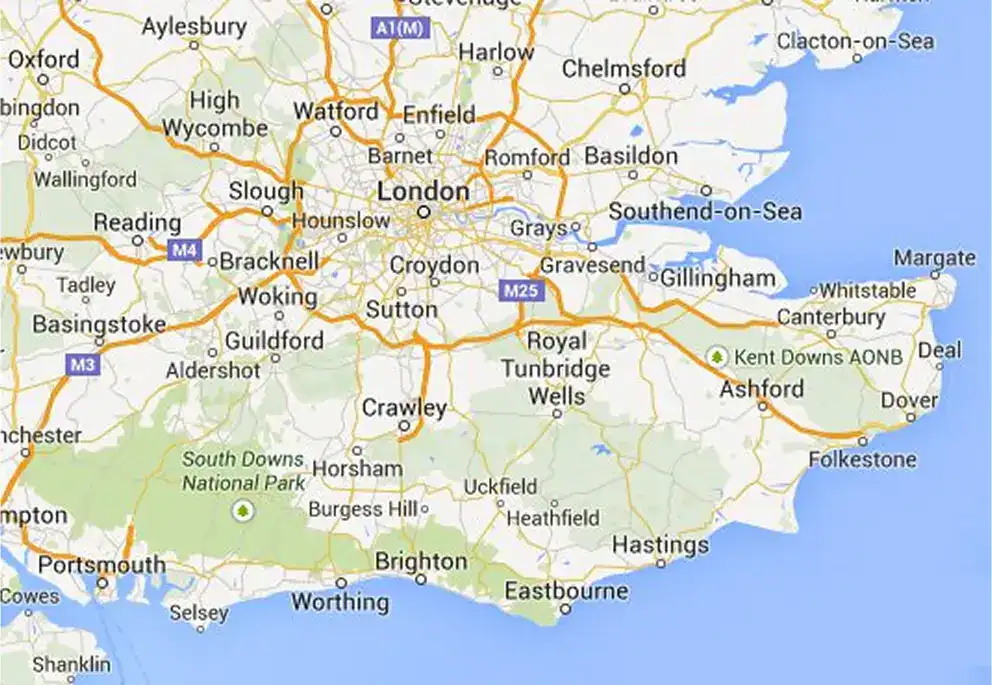
Areas We Cover
Matrimonial Valuations FAQs
Can a matrimonial valuation help avoid court?
Yes, in many cases. An independent Red Book compliant valuation that both parties agree to rely on removes one of the most common sources of dispute in financial settlement negotiations and can help avoid the need for court proceedings.
Who pays for a matrimonial valuation?
Payment is usually agreed between the parties or their solicitors as part of the wider financial discussions. The cost may be shared equally, paid by one party, or addressed within the final settlement.
Can the surveyor act for one party, or does it have to be a joint instruction?
Brian Gale Surveyors can act as a Single Joint Expert instructed by both parties, or can be instructed individually by one party. The most suitable approach will depend on your circumstances and legal advice.
What happens if both parties disagree with the valuation?
Red Book valuations are prepared to an independent, evidence-based standard, which reduces the likelihood of disagreement. If concerns arise, they are normally addressed through solicitors and, if necessary, determined by the court.