Probate Valuations in Surrey & Sussex

Probate Valuations in Surrey and Sussex
A probate valuation is an independent, RICS-compliant assessment of a property’s market value as at the date of death. It is used to calculate Inheritance Tax and support the probate application.
Brian Gale Surveyors provides HMRC-compliant probate valuations for solicitors, executors and trustees across Surrey, Sussex and the wider Home Counties. The focus is clear: to provide an accurate, defensible figure that allows the estate to be administered correctly and with confidence.
If you would like background context before instructing, read our full guide to probate valuations.
When is the valuation date and why does it matter
For probate purposes, the valuation must reflect the property’s market value on the date of death, not the date of instruction or eventual sale.
This requirement is set out in Part VI section 160 of the Inheritance Tax Act 1984. In simple terms, the value is the price the property might reasonably have achieved on the open market at the date of death.
This distinction matters. Property markets move. A sale price achieved months later may be higher or lower than the correct probate figure. HMRC will assess Inheritance Tax based on the date-of-death value, so accuracy at that point is essential.
Where death occurred some time ago, a retrospective valuation can still be prepared using comparable market evidence from that period.
The process, step by step
Executors and solicitors often want clarity about what happens once a valuer is instructed. The process is structured and transparent.
Step 1: Instruction
Instruction is received from the executor, trustee or acting solicitor. Confirmation of the date of death and property details is required at the outset.
Step 2: Inspection
An internal and external inspection of the property is arranged, usually within a few working days of instruction. The inspection considers size, condition, construction, location and any factors affecting value at the relevant date.
Step 3: Valuation to RICS Red Book standard
The valuation is prepared in accordance with the RICS Valuation Global Standards, often referred to as the Red Book. This ensures a recognised professional and evidential standard.
Step 4: Report delivery
The written report is typically issued within a short period following inspection. Timescales are confirmed at instruction so executors can plan the probate application accordingly.
Step 5: Ongoing support
If HMRC’s District Valuer queries the figure, the valuation can be supported with comparable evidence and discussed directly with HMRC as part of the service.
The aim throughout is to provide a figure that is clear, well evidenced and capable of standing up to scrutiny.

Why use an RICS valuer rather than an estate agent
Executors sometimes consider using a free market appraisal from a local estate agent. It is important to understand the difference.
An estate agent’s appraisal is prepared for marketing purposes. It is not produced to a regulated valuation standard and is not designed to provide formal evidence for HMRC.
A probate valuation prepared by an RICS Registered Valuer is carried out to professional standards with a defined methodology and supporting comparable evidence. HMRC is significantly more likely to accept a valuation prepared on this basis and is less likely to challenge it.
Where tax is at stake, particularly on higher value estates, the cost of a formal RICS valuation is often small compared to the potential consequences of an unsupported figure.

Inheritance Tax and the valuation
The property valuation feeds directly into the calculation of the estate’s total value for Inheritance Tax purposes.
The standard Inheritance Tax threshold is currently £325,000 per estate. If the total estate value exceeds this threshold, tax may be payable on the excess, subject to available reliefs and allowances. Additional provisions can apply, for example where a main residence is left to direct descendants.
The probate valuation establishes the property’s contribution to the overall estate figure. An accurate valuation helps ensure that tax is calculated correctly and reduces the risk of later adjustment.
Executors should confirm the precise tax position with their solicitor or accountant, as individual circumstances vary.
Retrospective valuations
A probate valuation is often required shortly after death. In some cases, however, it is needed several years later.
This may arise where:
- HMRC reviews an earlier declared figure
- A property is sold after probate and a Capital Gains Tax calculation is required
- Records are incomplete and a formal valuation was not obtained at the time
A retrospective valuation assesses the market value as at the original date of death using comparable evidence from that period. Although carried out later, the methodology remains the same: the question is what the property would reasonably have achieved on the open market at that historical date.

Estates without a will
A probate valuation is required whether or not the deceased left a will.
Where there is no valid will, the estate is administered under the rules of intestacy. The legal process differs, but the requirement for an accurate date-of-death property valuation remains the same.
Valuations are regularly provided to administrators and their solicitors in intestacy cases across Surrey, Sussex and London.
If HMRC challenges the valuation
In some estates, HMRC’s District Valuer may review the declared figure and raise queries.
This typically occurs where:
- The property is of higher value
- There is limited comparable evidence
- The sale price achieved later differs materially from the probate figure
A query does not necessarily mean the original valuation was incorrect. It often reflects HMRC’s standard review process.
Where a valuation has been prepared by an RICS Registered Valuer, supporting comparable evidence can be provided and the matter discussed directly with HMRC. The objective is to reach agreement on an appropriate figure based on market evidence.
Having a professionally prepared report from the outset places the executor in a stronger position if questions arise.

Capital Gains Tax valuations
Executors and beneficiaries sometimes require a related valuation for Capital Gains Tax purposes.
If a property is sold after probate has been granted, Capital Gains Tax may be calculated based on the difference between the probate value at the date of death and the later sale price.
A clear, well evidenced probate valuation is therefore important not only for Inheritance Tax but also for future tax calculations. Capital Gains Tax valuations can be provided alongside or subsequent to the probate valuation, depending on the stage of the estate administration.
Where an estate also involves relationship breakdown issues, separate matrimonial valuations may be required in other contexts.
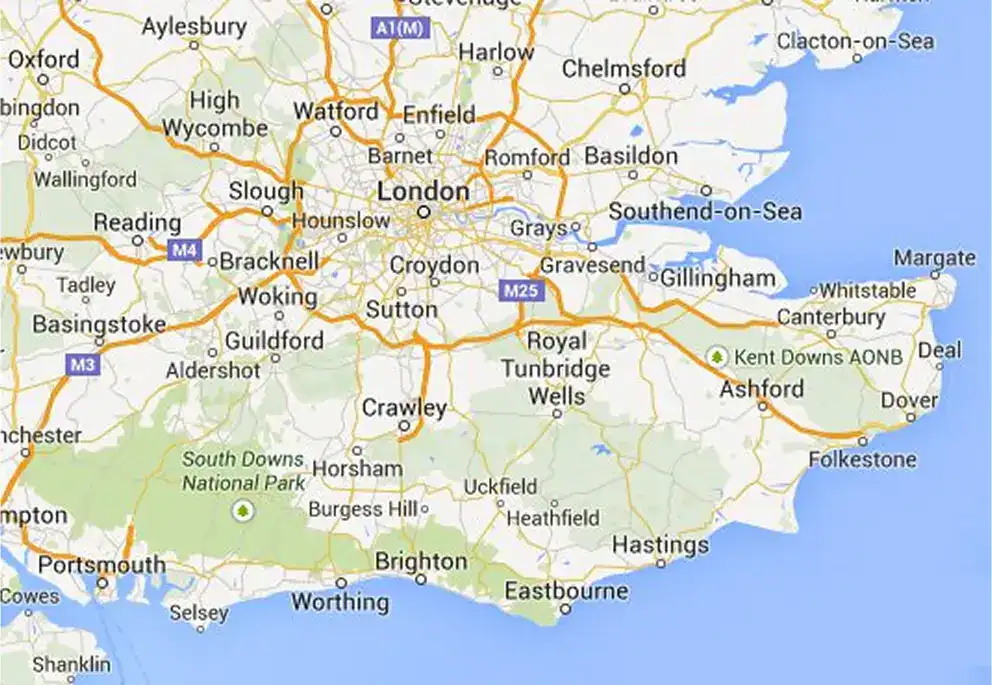
Probate valuations across Surrey, Sussex and London
Demand for probate valuations in Sussex has grown significantly, alongside established instructions across Surrey.
Regular coverage includes:
- West Sussex and East Sussex, including coastal and rural properties
- Surrey towns and villages, from period houses to modern developments
- South London and selected London boroughs
- The wider Home Counties including parts of Kent and Hampshire
Local market knowledge matters when assessing historic value. Comparable evidence must reflect the specific property type, location and market conditions at the relevant date.
Whether acting for a private executor or a firm of solicitors managing multiple estates, the approach remains consistent: clear evidence, correct date, professional standard.
Probate valuation cost
Fees depend on factors such as property type, size, location and complexity. Larger or higher value properties may require more detailed analysis.
A written quotation is provided at the outset so executors and solicitors understand the cost before proceeding. In many estates, the fee represents a modest proportion of the overall value while providing evidential support for the probate application.
For a tailored fee proposal, get a quote.
Arrange a Probate Valuation
in Surrey & Sussex
Administering an estate carries legal responsibility. An accurate probate valuation provides clarity at a time when decisions need to be made carefully.
Clear advice, a defined process and a valuation prepared to recognised professional standards help reduce uncertainty and minimise the risk of later dispute.
For probate valuations in Surrey, Sussex, London and the surrounding counties, contact the team to discuss the property and timescales.
Specialist Property Valuations
Alongside market valuations, we provide a number of specialist valuation reports prepared in line with professional standards and suitable for legal, financial and personal matters.
Help to buy Valuations
Leasehold Valuations
Fire Insurance Valuations
Matrimonial valuations
Areas We Cover
Frequently asked questions
What date is a probate valuation based on?
The valuation reflects the property’s market value on the date of death, not the date of instruction or sale. This requirement is set out in the Inheritance Tax Act 1984 and forms the basis on which HMRC assesses any tax due.
Do I need an RICS valuer, or can an estate agent carry out a probate valuation?
HMRC requires a formal, defensible valuation for probate purposes. An RICS Registered Valuer provides a report to a recognised professional standard. A free estate agent market appraisal is not prepared to the same evidential standard and is more likely to be challenged.
What is the Inheritance Tax threshold?
The standard Inheritance Tax threshold is currently £325,000 per estate. Additional allowances may apply depending on the circumstances, such as where a main residence passes to direct descendants. Executors should seek advice from their solicitor or accountant on the exact tax position.
What happens if HMRC challenges the probate valuation?
If HMRC’s District Valuer queries the declared figure, supporting comparable evidence can be provided and the valuation discussed directly with HMRC. This forms part of the professional service provided.
Can a probate valuation be retrospective?
Yes. Retrospective valuations are sometimes required where HMRC reviews an earlier figure or where a property is sold later and a historic date-of-death value is needed for Capital Gains Tax purposes.